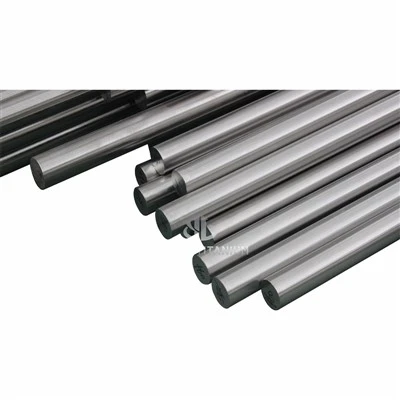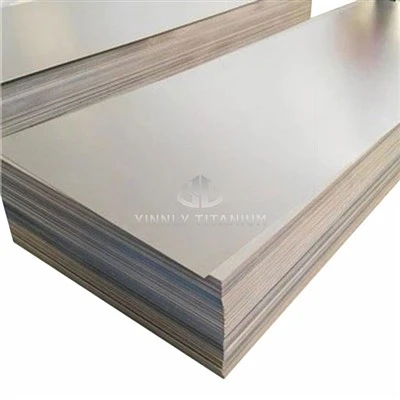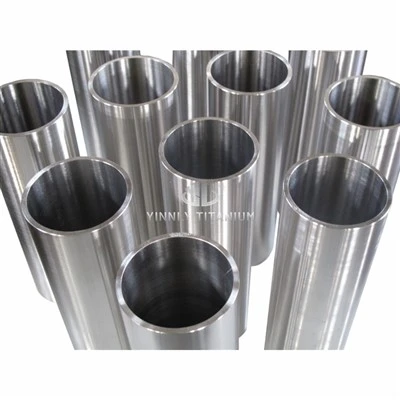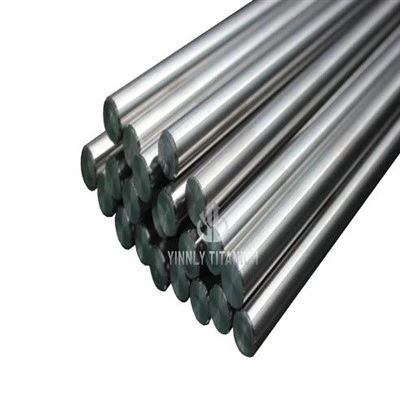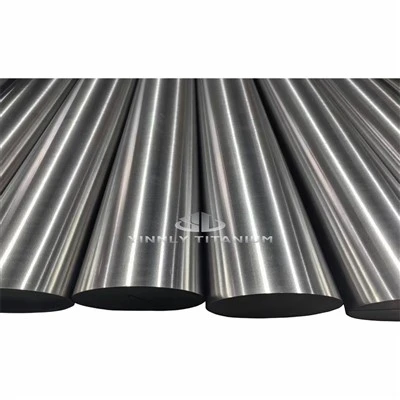

The density of titanium is 4.506-4.516 g/cm³ (20℃), and the melting point is 1668±4℃. The density of titanium alloy is 4.5 g·cm⁻³, which is about 57% of that of high-strength steel. Its specific strength is higher than that of high-strength steel, aluminum alloy and magnesium alloy. The presence of impurities in titanium has a significant impact on its mechanical properties. In particular, interstitial impurities (oxygen, nitrogen and carbon) can increase the strength of titanium and reduce its plasticity. For example, a study showed that titanium alloy ingots containing about 2% iron and 2% aluminum have a tensile strength of about 90 kg/mm² and an elongation of about 20% at room temperature; at 600°C, the tensile strength is about 30 kg/mm² and the elongation is about 30%, showing heat resistance. The alloy is easy to hot forge and hot roll .
Titanium alloy has seawater corrosion resistance and can maintain its performance in polluted seawater, hot seawater (below 120℃), wave impact, sea mud and attached marine organisms. Titanium alloys, due to their high specific strength, can replace some special and advanced steels in the aerospace field; due to their high operating temperature, they can replace some aluminum alloys; and because they possess creep strength at moderate temperatures (up to 550°C) and acceptable resistance to oxidation and corrosion, they are one of the candidate materials to replace nickel-based superalloys in modern engine high-pressure compressors.