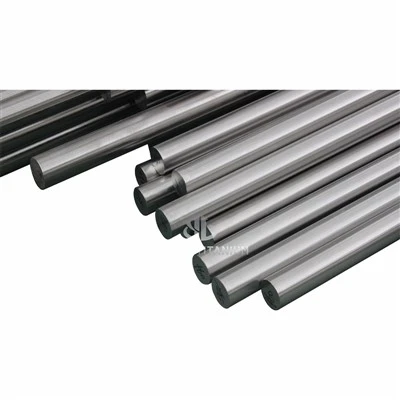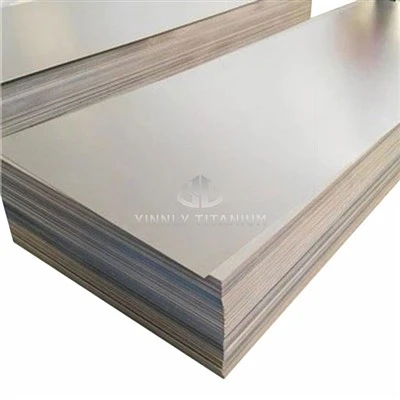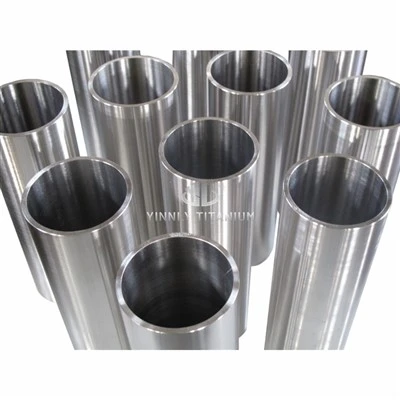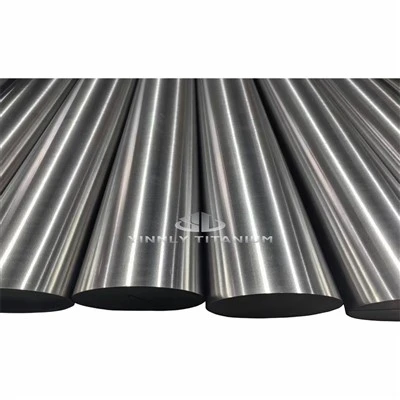

Titanium ingots are a general term for titanium and titanium alloy ingots.They are made from sponge titanium through high-temperature melting in a vacuum arc furnace, and require forging, rolling, and other processing to form titanium materials. Production must comply with the GB/T26060-2010 standard. Titanium is gray, has an atomic number of 22, a density of approximately 4.51 g/cm³, a melting point of approximately 1668℃, and can burn in nitrogen. Due to its high specific strength and strong corrosion resistance, it is mainly used in aerospace, marine engineering, medical, and consumer electronics fields.
Titanium ingot production involves pressing sponge titanium into electrodes and then performing 2-3 vacuum melting processes. Surface deposits must be removed to ensure quality. In 2023, China's titanium ingot production reached 151,000 tons (accounting for 63.4% of the global total). Baoji has formed a complete industrial chain of "sponge titanium-titanium ingots-titanium processed materials-deep-processed products," with its annual processing volume accounting for 65% of the national total. Titanium ingot processing technology has been used in major national projects such as the titanium alloy manned spherical shell model (used in the "Striver" deep-sea submersible).