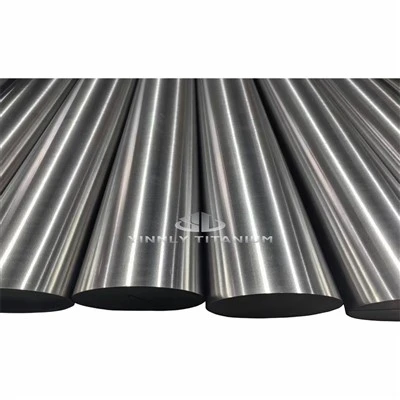

Titanium is a metallic material with high strength, low density, and excellent corrosion resistance, and is widely used in scientific research. High-purity titanium ingots, as the basic form of titanium metal, can reach a purity of 99.9% and are the core raw material for preparing high-end materials such as titanium alloys and titanium sputtering targets. These materials, with their unique physicochemical properties, are ideal for laboratory research, materials development, and special process testing.
In materials science research, high-purity titanium ingots are a key raw material for preparing titanium alloys. By adding elements such as aluminum and vanadium, titanium alloys with different properties can be developed for structural component testing in aerospace, biomedical, and other fields. In surface engineering, titanium sputtering targets are deposited on substrates using magnetron sputtering technology to form coatings with high hardness and wear resistance, commonly used for surface strengthening of cutting tools and molds. Furthermore, cutting-edge research areas such as titanium isotope studies and the development of catalytic reaction carriers also rely on the basic material support provided by high-purity titanium ingots.
High-purity titanium ingots are made from sponge titanium, and impurities are removed through processes such as vacuum arc melting or electron beam melting to ultimately form a dense metallic bulk. Its core component is titanium metal with a purity of ≥99.9%, and extremely low impurity content, ensuring the material's stability under extreme environments such as high temperatures and strong acids and alkalis. Vacuum sealing technology further isolates it from oxygen and moisture, preventing titanium from reacting with nitrogen and oxygen in the air at room temperature, thus extending the material's storage period.