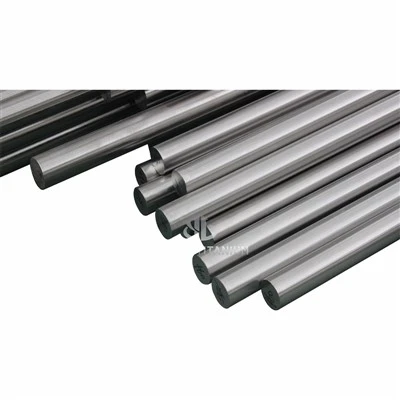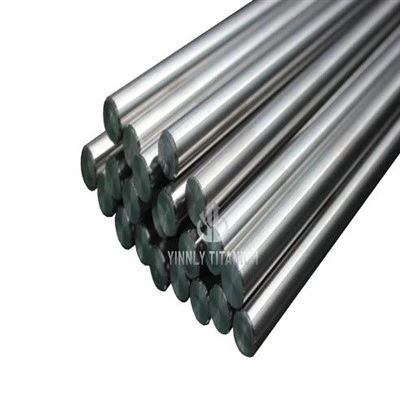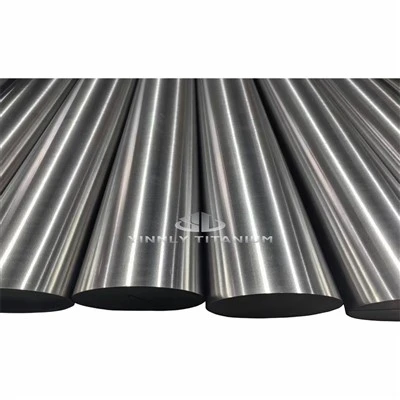

The disposal of waste titanium rods must comply with environmental protection and resource recycling regulations. Random disposal is strictly prohibited. The core regulations are as follows:
1. Waste titanium rods must be stored separately according to grade and processing state, avoiding mixing with other metals (such as steel and aluminum alloys) to prevent impurities from entering during recycling;
2. If the surface of the titanium rod is contaminated with corrosive substances or toxic impurities (such as bodily fluids on medical titanium rods or strong acids and alkalis on chemical titanium rods), it must first undergo harmless treatment (such as cleaning and disinfection) before recycling or disposal;
3. Waste titanium rods are recyclable resources and are strictly prohibited from being incinerated or landfilled. Incineration produces harmful gases, and landfilling wastes resources and impacts the environment. Titanium rods can be recycled and reused, and their recycling value is relatively high.
The recycling process mainly includes: recycling waste titanium rods → sorting, cleaning, and impurity removal → high-temperature smelting and recasting into titanium ingots → reprocessing into titanium rods or other titanium materials. When recycling and reusing titanium rods, the following precautions should be taken: Strictly control the impurity content of recycled titanium rods to avoid affecting the quality of the recast titanium ingots; medical waste titanium rods must undergo strict disinfection and harmless treatment before smelting and recycling to prevent medical contamination; recycled titanium rods are mostly used in general industrial applications and are not recommended for high-end applications such as aerospace and medical use.
Metal Recycling Stations: Most recycling stations accept titanium products, but it is necessary to confirm in advance whether they accept filter cartridges.
Environmental Protection Companies: Some companies specializing in resource recycling will purchase used filter cartridges.
Online Platforms: Some second-hand trading websites have dedicated sections for industrial product recycling.
Original Manufacturer Recycling: A few manufacturers offer trade-in services.