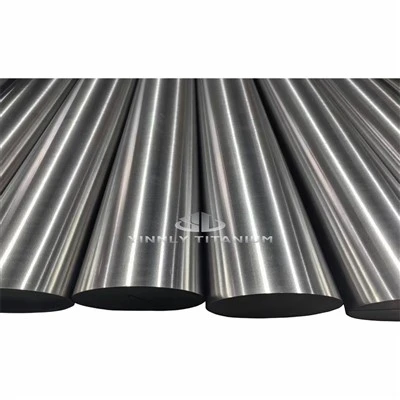

In industrial production, chemical, and petrochemical fields, titanium equipment, with its advantages of corrosion resistance, high strength, and lightweight, has become the core equipment choice for many companies. However, titanium equipment is expensive; a single titanium heat exchanger or titanium reactor can easily cost tens or even hundreds of thousands of yuan. After purchasing such an expensive item, proper routine maintenance to extend its service life directly affects the company's production costs and safety.
The oxide film on the surface of titanium is its "protective armor," but scratches easily lead to corrosion. Although titanium itself is corrosion-resistant, dirt easily accumulates at scratches, which can affect performance over time. Avoid direct contact with metal tools during use.
Those familiar with titanium know that the core reason titanium equipment is corrosion-resistant is the dense oxide protective film that naturally forms on its surface. This film acts like a "protective armor," isolating the equipment from external corrosive agents and protecting its safety. However, this oxide film is very fragile; once scratched, it loses its protective function, creating safety hazards.
Although titanium itself has extremely strong corrosion resistance, once the oxide film at the scratch is damaged, the medium can directly contact the titanium substrate. Furthermore, dirt and impurities easily accumulate at scratches, leading to localized corrosion over time, gradually affecting the overall performance of the equipment, and in severe cases, causing leaks. Therefore, in daily use, it is crucial to avoid directly striking or scratching the surface of titanium equipment with metal tools (such as wrenches and screwdrivers), and to avoid using sharp tools such as metal scrapers for cleaning.
It is recommended that operators wear gloves when handling titanium equipment to prevent scratches from fingernails or jewelry. When moving or placing the equipment, handle it with care to avoid collisions with other hard metal objects, protecting this "protective armor" from the outset.
Many companies have reported that the same titanium equipment can perform differently; some have remained stable for over a decade, while others develop corrosion and leaks after only two or three years. The difference lies in inadequate routine maintenance. In fact, maintaining titanium equipment is not complicated; by grasping the key points, its lifespan can be effectively extended. Today, based on practical experience from the industrial front lines, I will explain in detail four key points for the daily maintenance of titanium equipment. This is packed with useful information, so I suggest you save it for future reference.