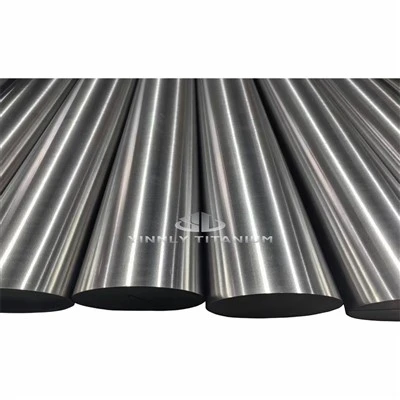

Many companies overlook a crucial issue when installing titanium equipment: electrochemical corrosion. Titanium has a high electrode potential. When it comes into direct contact with metals with lower electrode potentials, such as copper, carbon steel, and stainless steel, a galvanic cell forms under the influence of the medium, triggering electrochemical corrosion (also called galvanic corrosion). This accelerates the damage to the titanium equipment, and its insidious nature and extreme hazards are significant.
Therefore, proper isolation measures must be taken during the installation of titanium equipment. Insulating gaskets (such as rubber gaskets or PTFE gaskets) should be installed at the connections between the titanium equipment and other metal components to prevent direct contact and mitigate the risk of electrochemical corrosion at its source. Simultaneously, even force should be applied during installation to avoid damaging the equipment surface and to prevent stress concentration, as stress concentration can easily lead to cracks and affect the structural stability of the equipment.
While titanium is corrosion-resistant and durable, this does not mean it is "permanently safe." Under long-term operation in high-temperature, high-pressure, and highly corrosive conditions, critical components such as welds, flanges, and interfaces of titanium equipment may still develop micro-cracks and leaks. If small problems aren't detected and addressed promptly, they can escalate, eventually leading to equipment failure and even safety accidents.
The core of titanium equipment maintenance lies in protecting the surface oxide film, preventing corrosion from media, ensuring proper installation, and promptly identifying and addressing potential hazards. Strictly adhering to these points will ensure the long-term stable operation of titanium equipment, maximizing its value. For businesses, proper daily maintenance of titanium equipment is not only about protecting the equipment itself but also about guaranteeing production safety and economic benefits.
Furthermore, after installation, the equipment's sealing must be checked to ensure that flanges, welds, and other connections are secure and leak-free. This prevents media leakage and corrosion, and also ensures production safety.