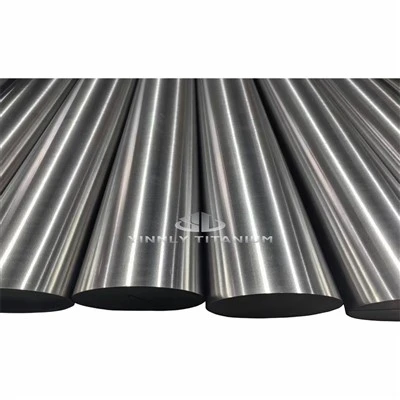

Titanium equipment is suitable for environments including highly corrosive media, high temperature and pressure, marine environments, biomedical applications, and aerospace, thanks to titanium's excellent corrosion resistance, high specific strength, and biocompatibility.
Chemical and Highly Corrosive Environments: Titanium equipment performs exceptionally well in contact with highly corrosive media such as chloride ions, wet chlorine, hypochlorite, dilute hydrochloric acid, sulfuric acid, and nitric acid. It can operate stably for extended periods, especially in environments where stainless steel is highly susceptible to pitting and stress corrosion cracking.
High Temperature Environments (≤500℃): Conventional titanium alloys maintain high strength below 500℃, making them suitable for nuclear power plant condensers, solar collectors, and aircraft engine components.
Seawater and Marine Atmosphere Environments: The dense oxide film on titanium's surface makes it virtually non-corrosive in seawater, wet chlorine, and salt spray, earning it the nickname "marine metal." It is suitable for ship pipelines, seawater desalination plants, offshore platforms, and pressure hulls for deep-sea submersibles.