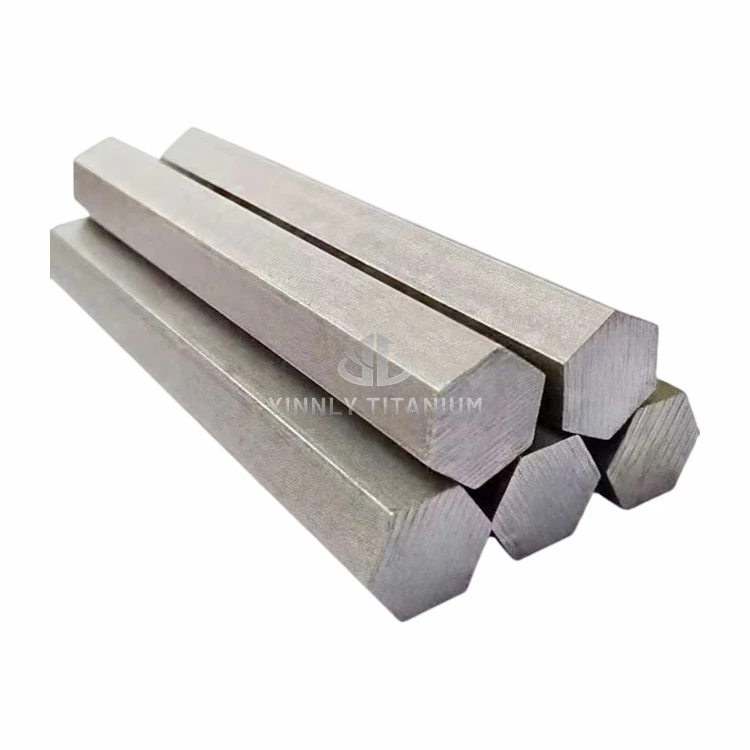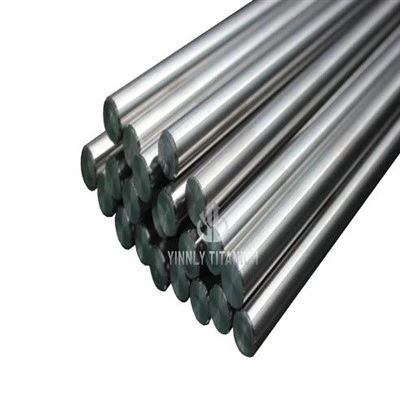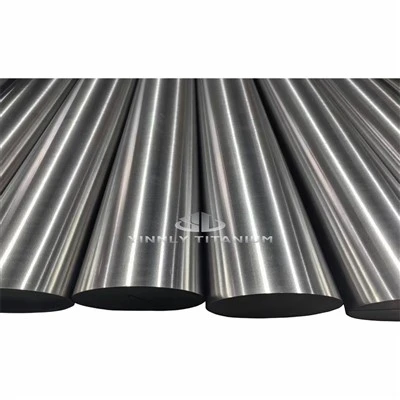

Titanium rods are high-strength materials made from titanium metal. Due to their excellent corrosion resistance, biocompatibility, and lightweight properties, they are widely used in aerospace, medical implants, and high-end sports equipment. They do not cause rejection by human tissue and are therefore commonly used in the manufacture of artificial joints and dental implants, offering safety and stability.
1. The chemical composition of titanium and titanium alloy rods should comply with GB/T 3620.1. For repeated testing, the permissible deviation of the chemical composition should comply with GB/T 3620.2.
2. The diameter or side length of hot-worked rods and their permissible deviations should comply with the provisions of Table 1.
3. The permissible diameter deviation of hot-worked, machined (ground) rods and cold-rolled/cold-drawn rods should comply with the provisions of Table
4. The out-of-roundness of hot-worked, machined (ground) rods should not exceed half of their dimensional tolerance.
5. The unspecified length of processed bar stock is 300-6000mm, and the unspecified length of annealed bar stock is 300-2000mm. Fixed length or multiple length should be within the unspecified length range. The allowable deviation for fixed length is +20mm; for multiple length, the slit allowance of the bar stock should also be included, with each slit allowance being 5mm. Fixed length or multiple length should be specified in the contract.