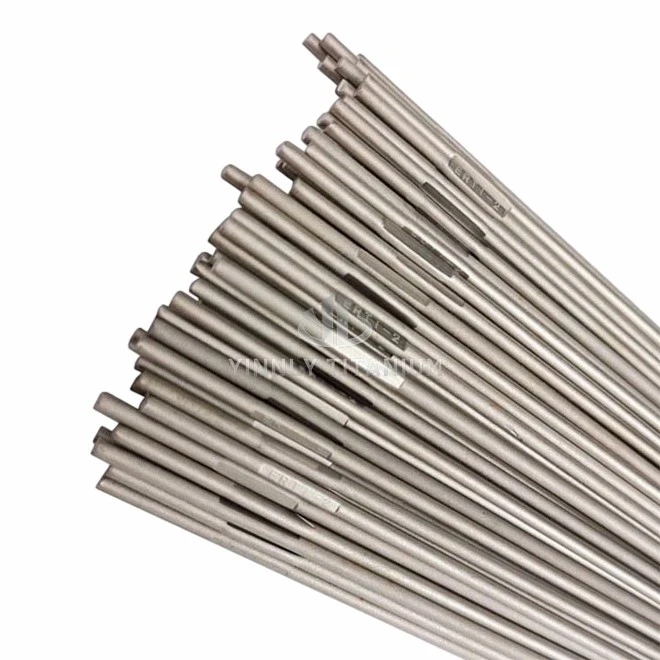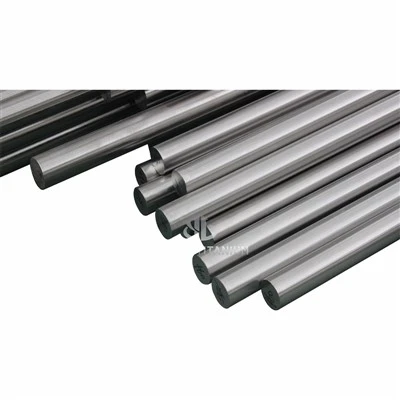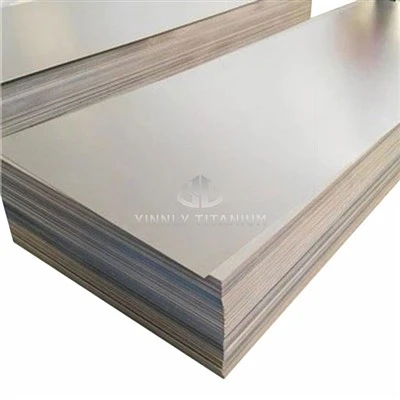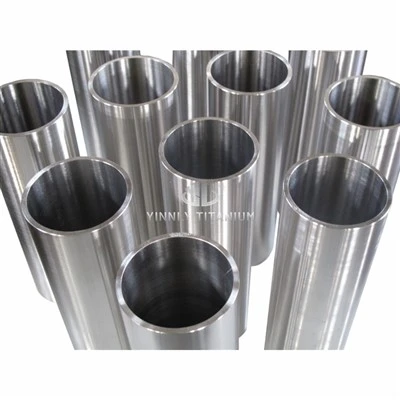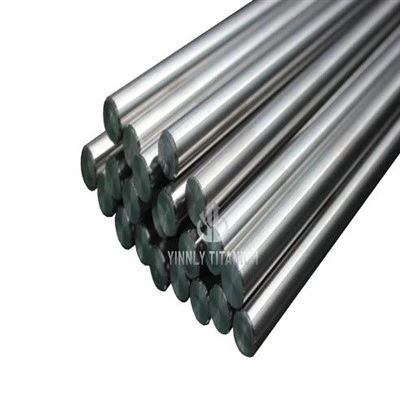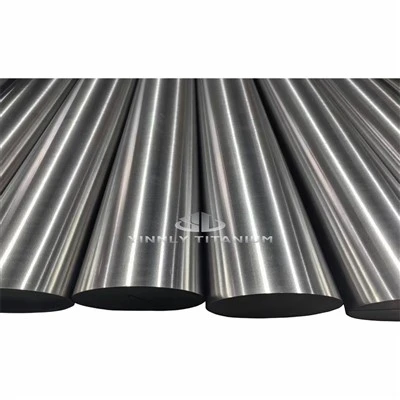

Titanium welding wire is a specialized material used for welding titanium and titanium alloys. National Standard (GB) grades include TA1, TA2, TA9, and TC4, while American Standard (AWS) grades cover series such as ERTi-1, ERTi-2, and ERTi-5. Available in diameters ranging from φ0.8 mm to φ6.0 mm, the wire is supplied in two forms: spools and straight rods. It complies with standards such as GB/T 3623-2007 and AWS A5.16/A5.16M. Its primary applications include petrochemical equipment (such as reaction vessels and acid/alkali storage tanks), marine corrosion protection projects, medical devices, and the aerospace sector.
1. Construction personnel and welders must wear clean, fine-weave white gauze gloves (the use of cotton-knit gloves is strictly prohibited).
2. Treated weld zones must strictly not be touched by hand or allowed to come into contact with iron-based objects.
3. Welding operations should be conducted indoors whenever possible; the ambient wind speed should be ≤ 0.5 m/s to avoid the influence of drafts.
4. During welding, a short-arc technique should be employed whenever feasible, utilizing low heat input. The welding torch nozzle should be maintained at an angle of 70° to 80° relative to the workpiece.
5. When performing tack welds for pipe butt joints, the gap between the pipes should generally be approximately 0.5 mm.
6. Each weld pass should ideally be completed in a single continuous operation. If a weld pass must be interrupted and resumed, the joint area must be thoroughly cleaned prior to restarting, and the overlap length of the weld bead should be between 10 mm and 15 mm.
7. During welding, the torch should not be oscillated laterally (swayed), and the molten tip of the welding wire must not be moved outside the gas shielding zone.
8. When striking an arc, the shielding gas flow must be initiated in advance. When extinguishing the arc, the torch must not be lifted immediately; instead, the gas flow should be maintained for a delayed period until the temperature of the weld zone drops below 250°C.
9. The distance between the gas shielding trailing shield and the welding torch should be kept to a minimum, and the gap between the trailing shield and the pipe wall should be minimized as much as possible. When performing pipe butt welding-specifically to achieve the requirement of "single-sided welding with double-sided formation"-the welding process is executed in two stages: the first is the root pass (which may be performed without filler material), and the second is the cap pass (forming pass). In multi-layer welding, the preceding weld pass must be allowed to cool completely before the subsequent pass is deposited.