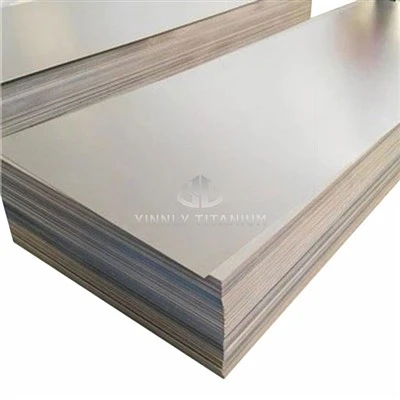

Ultra-thin Titanium Sheets (Thickness < 0.1 mm)
① Aerospace Sector: In aerospace vehicles, ultra-thin titanium strips-typically ranging from 0.05 to 0.1 mm in thickness-are widely utilized in the fabrication of lightweight, high-strength, and heat-resistant structural components, such as honeycomb panels and sandwich structures. With the advancement of hypersonic flight technology, the demand for lightweight structures and heat-resistant titanium alloy sheets and foils has surged, making the application of ultra-thin titanium sheets increasingly critical. For instance, in certain precision components within satellites and lunar spacecraft, the use of ultra-thin titanium sheets allows for maximum weight reduction-thereby lowering launch costs-without compromising structural integrity.
② Electronics and Communications Sector: Ultra-thin titanium foils with a thickness of approximately 0.01 to 0.03 mm-such as "tearable titanium" (0.03 mm thick)-have unique applications within the electronics and communications sector. They serve as cladding materials for aerospace electronic equipment, effectively shielding against electromagnetic interference and safeguarding internal precision electronic components. In the manufacturing of foldable smartphone screens, ultra-thin titanium sheets leverage their high strength and excellent flexibility to provide a reliable support structure, ensuring the screen's stability throughout repeated folding cycles.
③ New Energy Sector: Ultra-thin titanium sheets constitute a vital material in the production of bipolar plates for hydrogen fuel cells. Their superior electrical conductivity, corrosion resistance, and suitable mechanical properties contribute to enhanced fuel cell performance and extended service life. For example, in the research and development of certain new-generation fuel cell vehicles, the adoption of ultra-thin titanium sheets for bipolar plates has resulted in a significant improvement in the overall efficiency of the battery system.
Thin Titanium Sheets (Thickness: 0.1 – 1.5 mm)
① 3C Electronics Industry: Thin sheets ranging from 0.1 to 0.3 mm in thickness are employed in the production of speaker diaphragms; this application enables the diaphragm to respond rapidly to audio signals during sound reproduction, thereby delivering high-fidelity sound quality. Thin sheets ranging from 0.4 to 0.6 mm in thickness are utilized in the manufacture of enclosures for devices such as USB flash drives and portable hard drives. This application not only ensures the structural integrity of the product-protecting internal storage components from external physical damage-but also extends the product's overall service life due to the material's excellent corrosion resistance. Sheet materials ranging in thickness from 0.6 to 1.2 mm are utilized in the production of casings for smartphones, laptops, digital cameras, camcorders, and similar devices. While safeguarding internal precision electronic components, these materials simultaneously satisfy consumer demands for superior aesthetic texture and a slim, lightweight product profile. For instance, the casings of certain Apple laptops incorporate thin titanium alloy sheets of specific thicknesses, thereby elevating the overall quality and premium aesthetic of the product.
② Medical Field – Oral & Maxillofacial Care: In the realm of oral and maxillofacial medicine, micro titanium plates typically range in thickness from 0.4 to 0.6 mm; these are frequently employed in minor oral surgical procedures, such as providing auxiliary fixation during orthodontic treatment. Small titanium plates, generally 0.8 to 1.0 mm thick, are suitable for repairing more complex conditions involving tooth loss or maxillofacial fractures. For example, when repairing partial fractures of the maxilla (upper jawbone), small titanium plates provide stable structural support, thereby facilitating bone healing. Reconstructive titanium plates, predominantly 2.0 to 2.5 mm thick, are primarily utilized in major maxillofacial bone reconstruction surgeries, offering robust structural integrity to ensure the successful restoration of facial skeletal structures.
Medium-to-Thick Titanium Sheets (Thickness: 1.5 – 10 mm)
① Automotive Industry: Thin titanium alloy sheets (1.2 – 3 mm thick) are used to manufacture components such as instrument panels, door panels, engine covers, trunk lids, roof panels, transmission covers, seat frames, and seatbacks. Utilizing titanium sheets for these parts reduces vehicle body weight while maintaining structural integrity, thereby helping to improve fuel efficiency and handling performance. For instance, to achieve ultimate performance, certain high-end sports cars incorporate thin titanium alloy sheets into specific body components to enhance the vehicle's overall performance capabilities.
② Rail Transit Sector: Products ranging from 0.6 to 3.5 mm in thickness are used to fabricate the top and bottom panels of honeycomb flooring, providing trains with a lightweight yet high-strength floor structure. Titanium alloy sheets with a thickness of 3–5 mm are used for interior lining panels and luggage racks, while sheets of 5–7 mm are utilized for train skirt panels, seats, and sleeper berths. These medium-to-thick titanium sheets not only ensure the structural strength of the train's interior furnishings and facilities but also, thanks to their excellent corrosion resistance, are capable of withstanding the various complex environmental conditions encountered during train operation. Structural load-bearing components within the train typically utilize titanium alloy sheets ranging from 4 to 12 mm in thickness, providing reliable structural support essential for the safe operation of the train.
③ Other Industries – Printing Plates: Titanium alloy sheets used for printing plates range in thickness from 1 to 10 mm. During the printing process, titanium alloy plates are capable of withstanding the corrosive effects of ink and the mechanical pressure of printing, thereby ensuring the clarity and precision of the printed images. Furthermore, their extended service life helps to reduce overall printing costs. For example, in the production of high-end printed materials, titanium alloy printing plates excel at reproducing colors and fine details, thereby significantly enhancing the overall print quality.