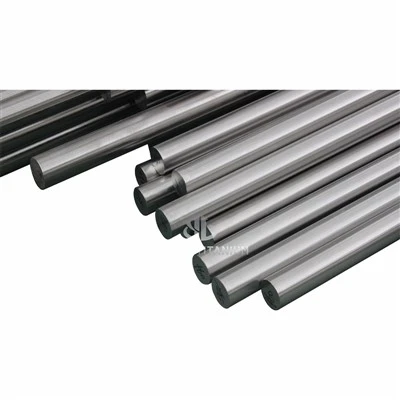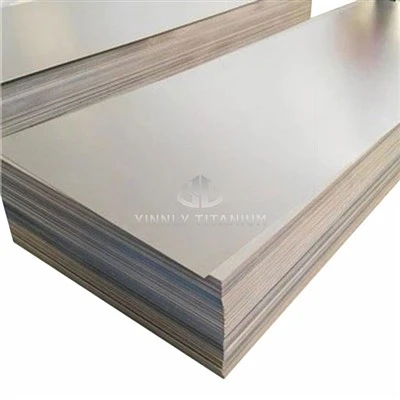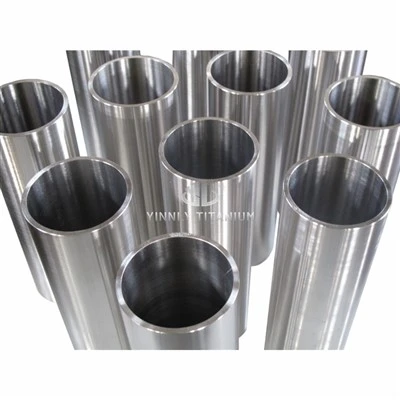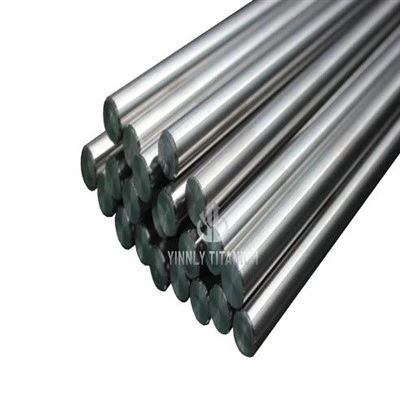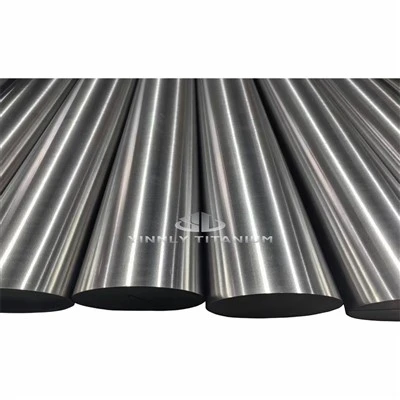

While titanium alloys are corrosion-resistant, this doesn't mean they can be placed in harsh environments. Proper storage should follow these principles:
Dry and well-ventilated: This is the most basic requirement. Avoid storing titanium alloy items in basements, bathrooms, or other environments with persistent humidity. While prolonged exposure to environments with relative humidity above 90% won't cause rust, it may result in slight water stains on the surface, affecting appearance.
Avoid chemicals: Although titanium alloys are resistant to seawater, they are not resistant to strong acids (such as hydrochloric acid and concentrated sulfuric acid), strong alkalis, and environments containing fluoride ions. Storage areas should be far away from chemical warehouses or places with volatile corrosive gases.
Avoid direct sunlight at room temperature: Avoid prolonged exposure to direct sunlight to prevent localized overheating. Keep away from fire sources to prevent annealing, softening, or uncontrollable oxidation and discoloration.
Do not allow direct contact with the ground: Ground surfaces are prone to dampness. Elevate titanium alloy items at least 10 cm using wooden pallets, plastic pallets, or metal shelves.
Do not stack under heavy pressure: Although titanium alloys have high strength, thin-walled parts, pipes, or precision profiles are prone to permanent plastic deformation under pressure. If multi-layer stacking is necessary, soft partitions (such as foam boards, velvet, or cardboard) must be placed between layers, and the stacking height should not be excessive.
Categorization and labeling: Materials of different grades (e.g., industrial pure titanium TA2, titanium alloy TC4) or different surface conditions (e.g., pickled surface, sandblasted surface) should be stored separately to avoid confusion and scratching.