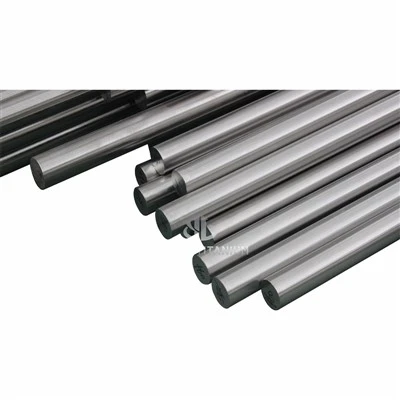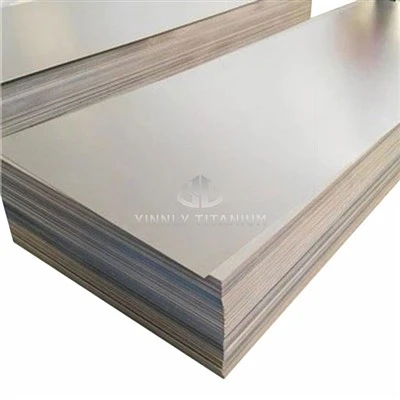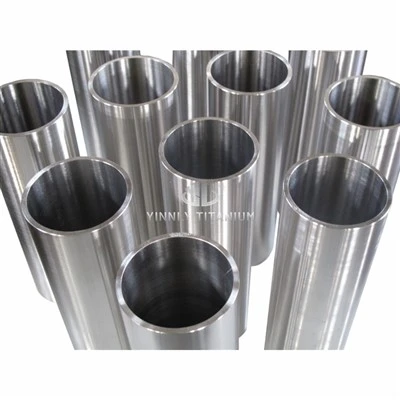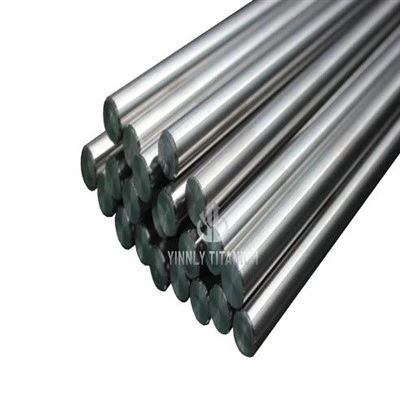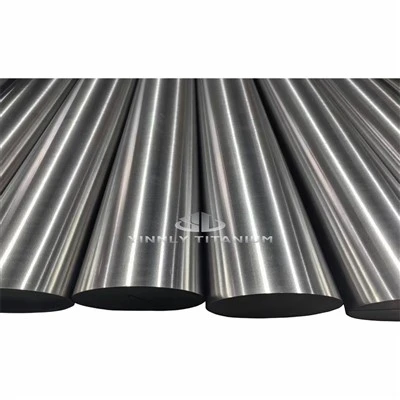

Titanium plate is a non-ferrous metal sheet with titanium as its main component. It conforms to Chinese national standards GB/T3621-2007 and GB/T13810-2007, as well as American standards ASTM B265 and ASTM F136, covering domestic series TA, TB, and TC, and American standard GR and Russian standard BT series grades. Its manufacturing process includes hot forging, hot rolling, cold rolling, and annealing. Products are available in three states: hot-worked, cold-worked, and annealed. Due to its surface oxide film properties, titanium plate is widely used in electrolytic copper production, replacing traditional separating agents and achieving three times the service life of copper seed plates, while improving the crystallization quality of electrolytic copper and reducing production costs.
China's titanium plate production capacity is concentrated in Shaanxi Province, accounting for 51.6% of the national total titanium output in 2021. Among these, the use of titanium in the chemical and aerospace sectors increased by 11,078 tons and 5,222 tons respectively. Baoji, as the core industrial area, has a 10,000-ton-level titanium plate and strip production line and has achieved breakthroughs in 0.1mm wide titanium foil rolling technology. Titanium plates are used in the aerospace industry for aircraft skin and landing gear components, in the medical field as implant materials, and in marine engineering for manufacturing pressure-resistant shells, forming a multi-dimensional application system covering high-end manufacturing.