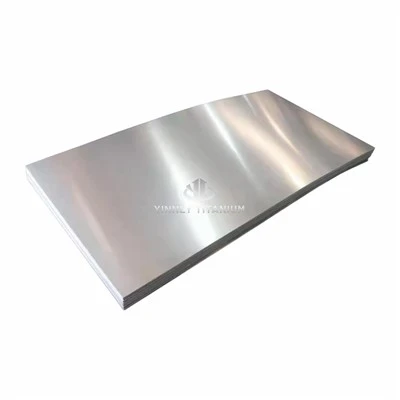

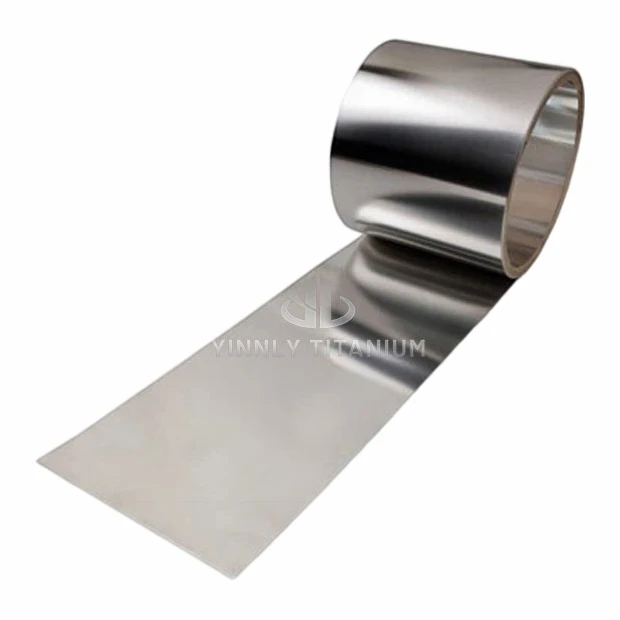
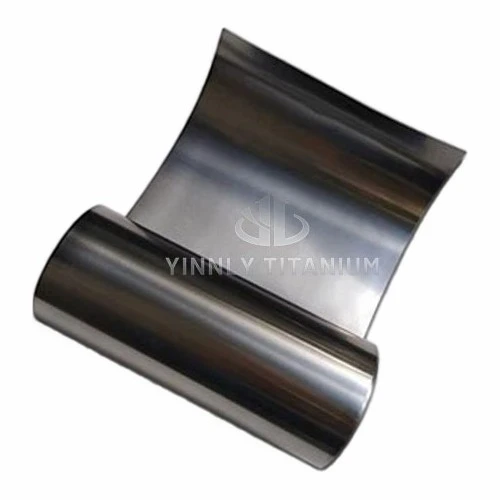
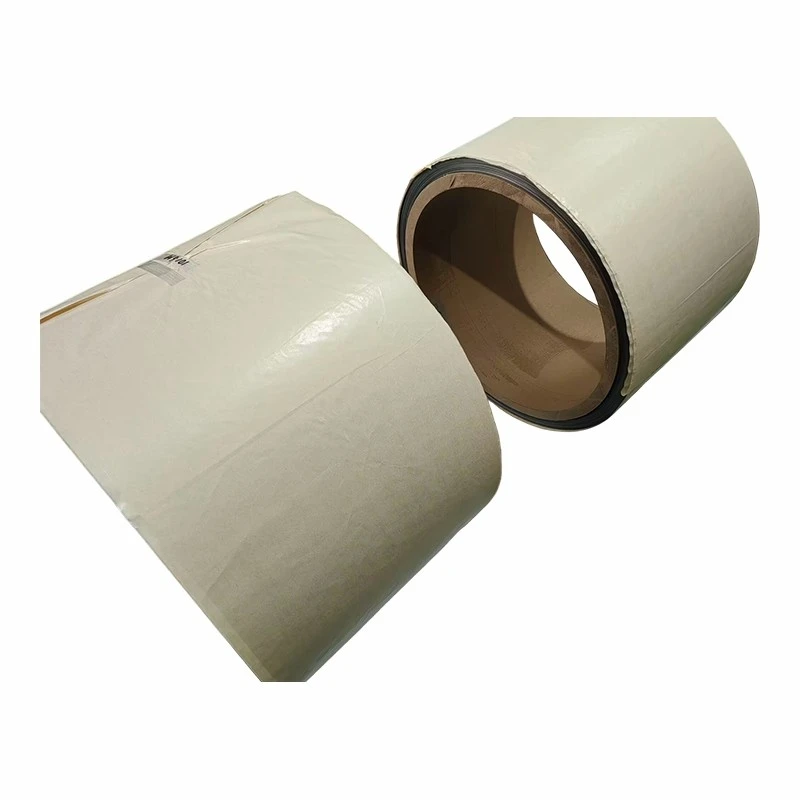
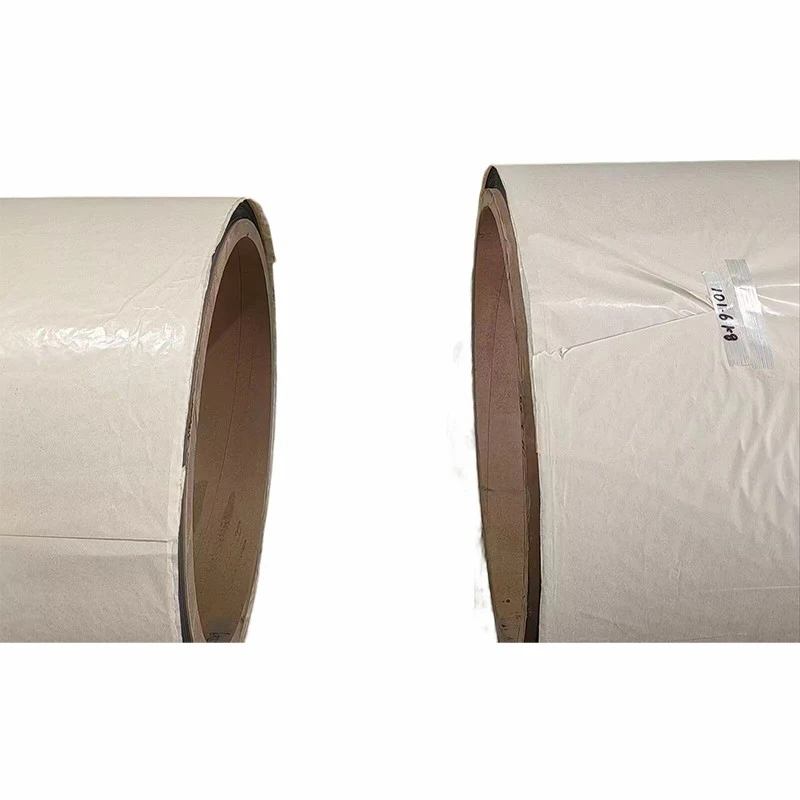
Baoji Yinnly Titanium Co., Ltd. is one of the most reliable manufacturers and suppliers of ultra-thin titanium alloy sheet or foil in China, featured by high quality customized products. If you're going to wholesale durable ultra-thin titanium alloy sheet or foil made in China, welcome to get free sample from our factory. For price consultation, contact us.
Product Introduction
What Makes It Useful
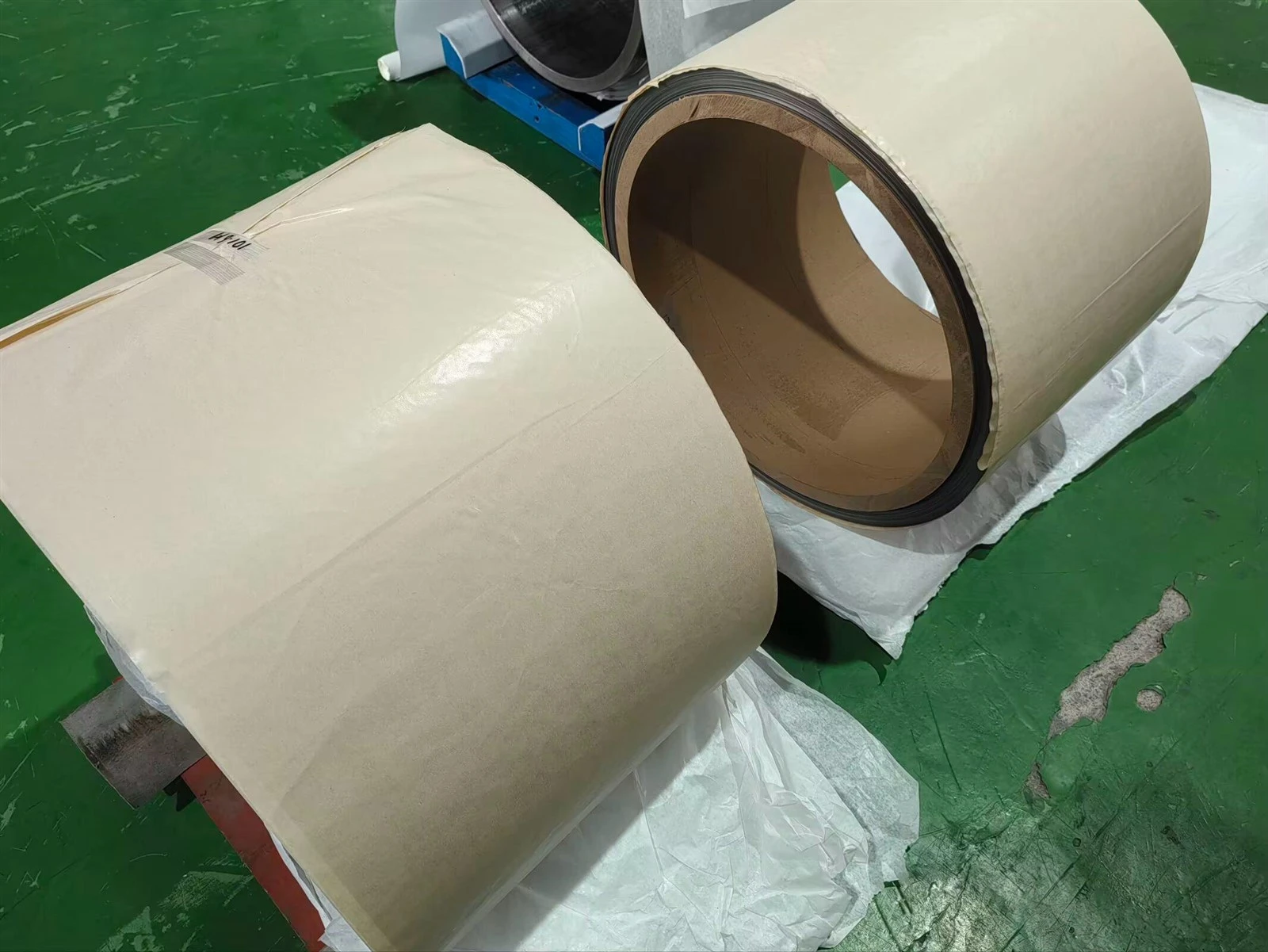
These Ultra-Thin Titanium Alloy Sheet or Foil are valued for three main reasons: high specific strength (strength‑to‑weight ratio), light weight, and excellent corrosion resistance. That combination makes them a go‑to material for demanding fields like aerospace, medical devices, and electronics.
Manufacturing and Surface Finishing
Making material this thin requires precision. Cold rolling is done on twenty‑high mills with rolling forces upwards of 1,000 tons-that's how thickness accuracy and surface quality are kept tight. During processing, vacuum annealing at 650–750 °C is used to relieve work hardening and keep the grain structure consistent. After rolling, multi‑roll straightening and tension control help achieve flatness and dimensional precision, with residual stress held to ≤50 MPa.
The surface can be finished in different ways depending on the application:
- Annealed: uniform structure, good ductility, easy to form
- Cold‑rolled: smoother surface, higher strength due to work hardening
- Pickled or polished: removes oxide scale and lowers contact resistance-commonly specified for implantable medical grades
- Micro‑arc oxidation or magnetron sputtering: used in new energy and electronics to improve corrosion resistance or electrical conductivity
Where It's Used
Medical
For implants, Gr23 ELI ultra‑thin sheet and foil are a natural fit-things like dental implant abutments, cranial mesh, and cardiovascular stents. The material offers the biocompatibility and toughness that these applications demand. It also shows up in precision surgical instruments and micro‑sensor housings.
Aerospace
In aerospace, reducing weight without compromising strength is always the goal. These thin sheets go into aircraft skin, engine heat shields, and lightweight satellite structures. They're also used in electronic systems such as radomes and antenna substrates, where lightweight properties and electromagnetic compatibility both matter.
New Energy and Electronics
In hydrogen fuel cells, ultra‑thin titanium bipolar plates (0.1–0.3 mm) help improve power density and service life. In consumer electronics, you'll find them in foldable‑screen hinges and ultra‑thin heat sinks-applications where high specific strength and formability are key.
Other Industries
Chemical processing uses them for corrosion‑resistant heat exchanger plates that need to be thin yet durable. And in sporting goods, they turn up in high‑end rackets and lightweight bicycle components, where every gram counts.
Hot Tags: ultra-thin titanium alloy sheet or foil, China ultra-thin titanium alloy sheet or foil manufacturers, suppliers, factory